

Sustainability is no longer just a marketing buzzword — it is a core business priority. Investors, customers, and regulators now expect organizations to measure and report their environmental and social impact. However, meaningful sustainability requires measurable data, not assumptions.
This is where sustainability KPIs become essential. These key performance indicators help organizations track progress, identify gaps, and improve environmental and social performance over time.
In this guide, we explore the most important sustainability KPIs every company should monitor to build a transparent and future-ready business by Rudra Ecovation
What Are Sustainability KPIs?
Sustainability KPIs are measurable indicators used to evaluate an organization’s environmental, social, and governance (ESG) performance.
They help businesses:
Track environmental impact
Improve resource efficiency
Meet regulatory requirements
Strengthen ESG reporting
Build stakeholder trust
Without data-driven metrics, sustainability efforts remain difficult to measure and improve.
Why Sustainability Metrics Matter for Businesses
Tracking sustainability KPIs delivers multiple benefits:
Supports regulatory compliance
Reduces operational costs
Enhances brand reputation
Attracts ESG-focused investors
Improves long-term resilience
Organizations that measure sustainability perform better in both environmental and financial terms.
Key Sustainability KPIs to Track
1. Carbon Footprint (GHG Emissions)
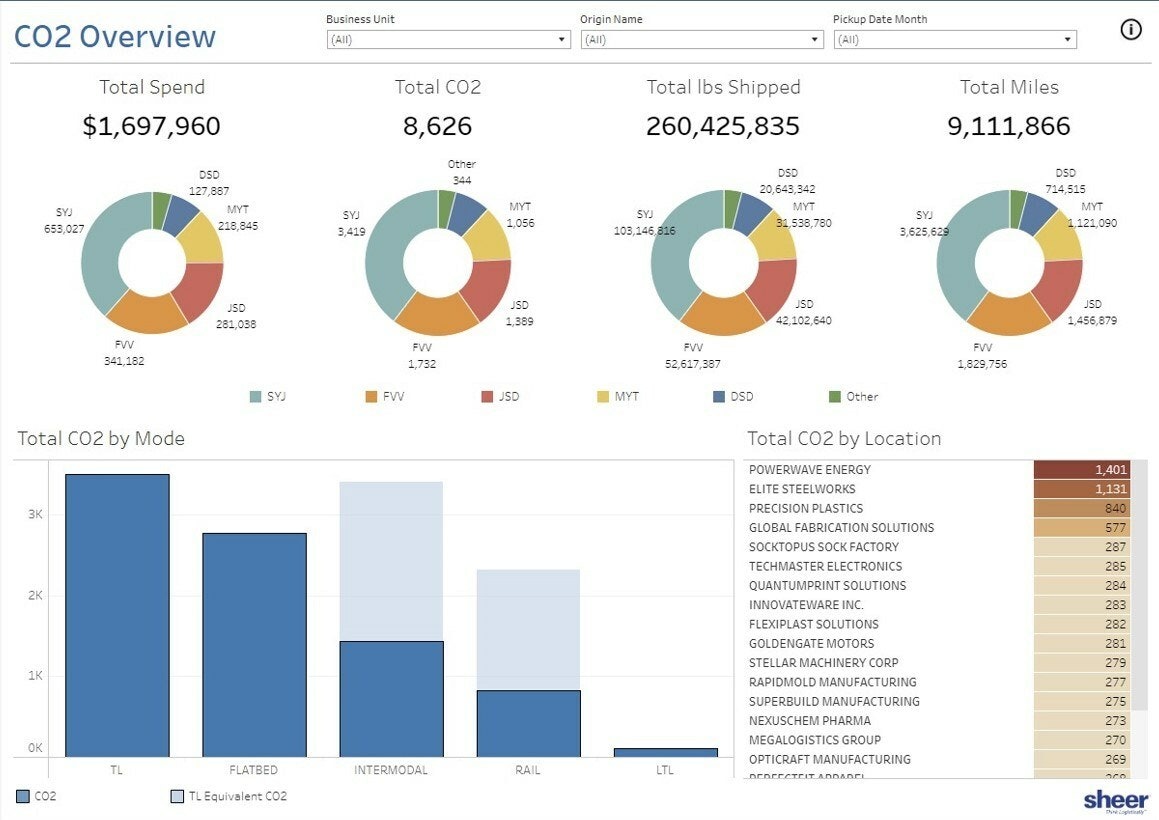
Carbon emissions are among the most critical sustainability KPIs.
Companies measure:
Scope 1 emissions (direct emissions)
Scope 2 emissions (energy use)
Scope 3 emissions (supply chain impact)
Tracking emissions helps businesses set reduction targets and align with climate goals.
2. Energy Consumption and Efficiency
Energy usage is a major contributor to operational costs and emissions.
Important metrics include:
Total energy consumption
Renewable energy usage
Energy intensity per product
Improving energy efficiency reduces costs and environmental impact simultaneously.
3. Water Usage and Conservation
Water management is a key environmental concern.
Companies should track:
Total water consumption
Water recycled and reused
Water intensity per unit produced
Efficient water use is a vital sustainability metric, especially for manufacturing industries.
4. Waste Generation and Recycling Rate
Waste tracking helps companies reduce landfill dependency.
Key indicators include:
Total waste generated
Recycling rate
Percentage of waste diverted from landfill
This KPI directly reflects circular economy progress.
5. Use of Recycled and Sustainable Materials
Tracking sustainable material usage helps measure circularity.
Metrics include:
Percentage of recycled materials used
Reduction in virgin material usage
Sustainable sourcing rate
This KPI shows progress toward responsible production.
6. Packaging Sustainability
Packaging is a major source of waste.
Important packaging KPIs:
Plastic reduction percentage
Recyclable packaging ratio
Reusable packaging adoption
Sustainable packaging improves both compliance and brand perception.
7. Supply Chain Sustainability
Organizations must evaluate supplier practices.
Metrics include:
Sustainable supplier percentage
Supplier ESG audits
Ethical sourcing compliance
Supply chain transparency is becoming a key ESG requirement.
8. Employee Sustainability Engagement
Sustainability is not just operational — it is cultural.
Companies should track:
Employee sustainability training
Participation in green initiatives
Internal waste reduction programs
Employee involvement strengthens sustainability programs.
9. ESG Compliance and Reporting
Regulatory and investor expectations are rising.
Key indicators include:
ESG reporting completion
Compliance with regulations
Sustainability certifications achieved
Transparent reporting builds trust and credibility.
10. Cost Savings From Sustainability Initiatives
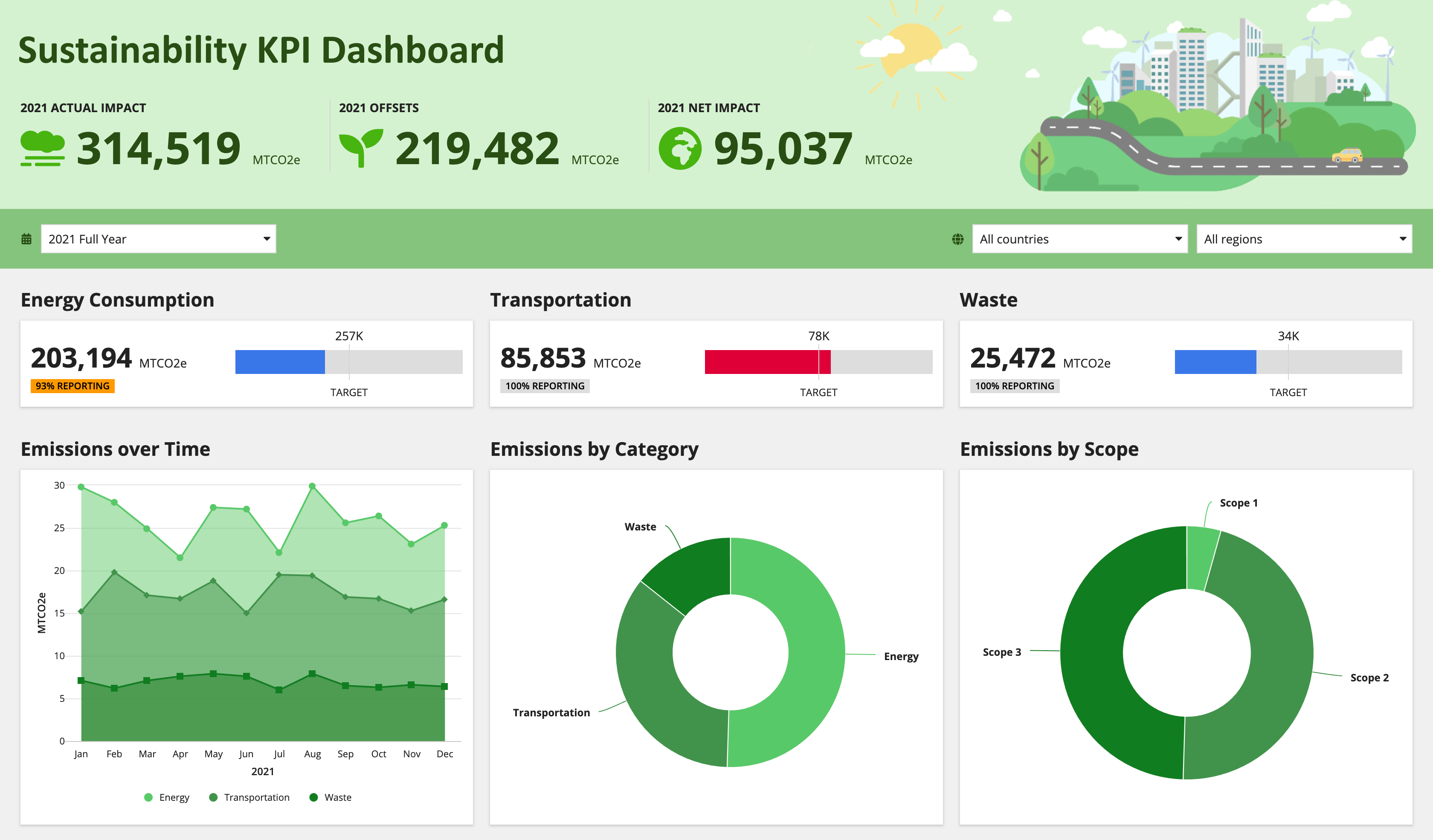
Sustainability also delivers financial benefits.
Companies should track:
Energy cost savings
Waste management savings
Resource efficiency savings
Measuring financial impact shows the business value of sustainability.
How to Implement Sustainability KPI Tracking
Organizations can start by:
Setting measurable sustainability goals
Choosing relevant KPIs for their industry
Collecting baseline data
Monitoring progress regularly
Reporting results transparently
Consistent tracking ensures long-term improvement.
Benefits of Tracking Sustainability KPIs
Tracking sustainability KPIs helps organizations:
Reduce environmental impact
Improve operational efficiency
Strengthen brand reputation
Meet regulatory requirements
Gain competitive advantage
Data-driven sustainability leads to smarter decision-making.
The Future of Sustainability Measurement
As ESG expectations grow, sustainability reporting will become mandatory for many industries.
Future trends include:
Real-time sustainability tracking
AI-powered analytics
Integrated ESG reporting systems
Stronger regulatory frameworks
Organizations that start measuring today will lead tomorrow’s sustainable economy.
Conclusion
Sustainability must be measurable to be meaningful. By tracking the right sustainability KPIs, companies can understand their environmental impact, improve efficiency, and build trust with stakeholders.
From carbon emissions and water use to waste reduction and supply chain transparency, these metrics provide a roadmap for sustainable growth.
The businesses that measure sustainability today will be the leaders of tomorrow’s responsible economy.