
Plastic waste has long been viewed as one of the biggest environmental threats of our time. Landfills are overflowing, oceans are polluted, and traditional waste systems struggle to keep pace with growing consumption. However, a new wave of innovation is changing the narrative.
Today, advanced plastic recycling technology is transforming how industries handle waste, turning discarded plastic into valuable raw materials. Instead of simply disposing of waste, modern recycling systems enable recovery, reuse, and regeneration — creating a truly sustainable circular economy.
For countries like India, where plastic consumption is rising rapidly, these technologies are not optional. They are essential for long-term environmental and economic sustainability by RudraEcovation
Why Traditional Recycling Was Not Enough
Conventional recycling methods mainly relied on manual sorting and basic mechanical processes. While helpful, they faced several challenges:
-
High contamination rates
-
Limited plastic types accepted
-
Poor output quality
-
Low recovery efficiency
-
High labor dependency
As a result, large volumes of plastic still ended up in landfills or incinerators.
This gap created the need for advanced plastic recycling technology that could process more waste efficiently while maintaining quality standards for reuse.
What Is Advanced Plastic Recycling Technology?
Advanced plastic recycling technology refers to modern systems, automation, and scientific methods that improve the plastic recycling process.
It includes:
-
AI-based sorting
-
Optical sensors
-
High-efficiency washing systems
-
Chemical recycling
-
Energy-efficient extrusion
-
Closed-loop manufacturing
These technologies make recycling faster, cleaner, and more scalable.
Simply put, they convert plastic waste into high-quality recycled materials that can compete with virgin plastic.
Key Technologies Transforming Recycling
Smart Sorting Systems
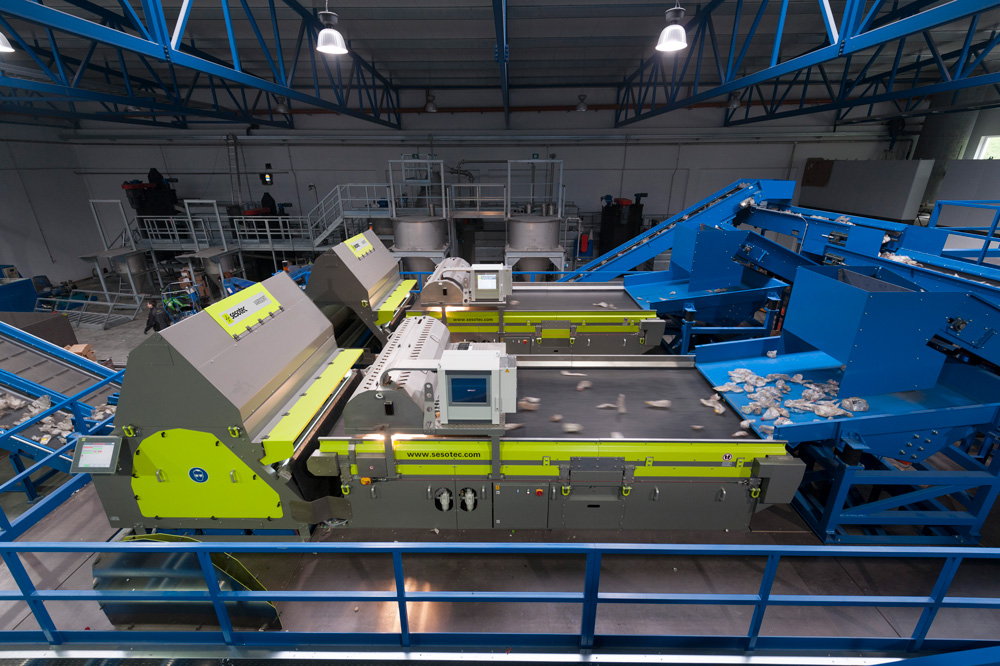
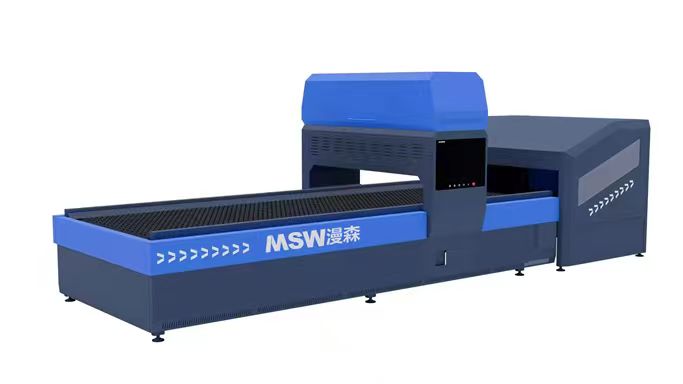

Modern facilities now use:
-
Optical scanners
-
Near-infrared (NIR) sensors
-
AI-based robotics
These machines identify and separate plastics by type, color, and quality within seconds.
Benefits include:
-
Higher accuracy
-
Faster processing
-
Reduced contamination
-
Better recycled output
This is one of the most impactful uses of advanced plastic recycling technology, ensuring cleaner raw materials.
High-Efficiency Washing & Processing

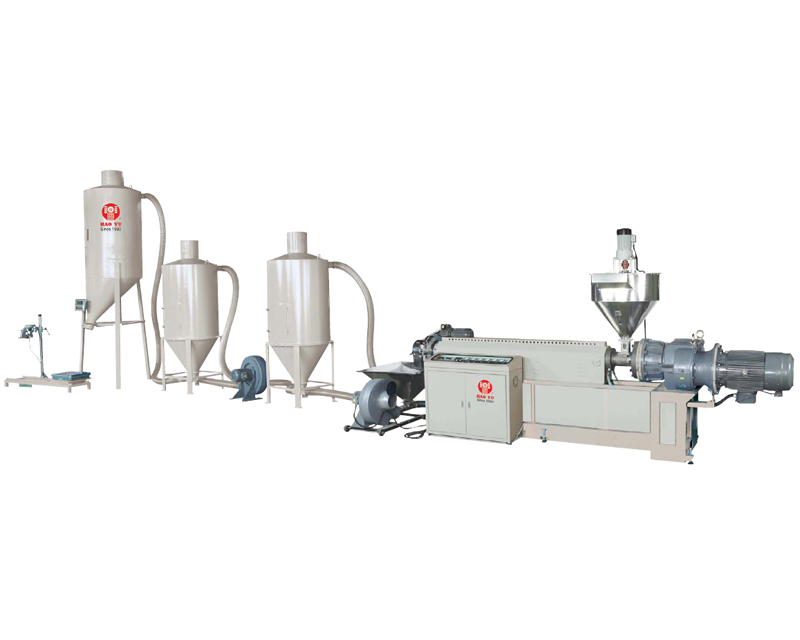

Advanced cleaning systems remove:
-
Labels
-
Adhesives
-
Oils
-
Dirt
-
Chemical residues
Improved washing ensures that recycled plastic meets industrial standards for food-grade and textile-grade applications.
After cleaning, plastics are shredded, melted, and converted into high-quality pellets or flakes.
This stage enhances both efficiency and product reliability.
Chemical Recycling
Mechanical recycling works well for clean plastics, but mixed or contaminated waste is harder to process.
Chemical recycling solves this challenge.
It breaks plastic down to its molecular level and converts it back into raw chemical feedstock. This allows:
-
Infinite recycling cycles
-
Higher purity materials
-
Processing of complex waste
-
Reduced landfill dependence
Chemical recycling represents the future of advanced plastic recycling technology, especially for difficult plastic streams.
Environmental Impact of Advanced Recycling
1. Reduces Landfill Waste
More plastic is recovered and reused instead of dumped.
2. Lowers Carbon Emissions
Energy-efficient processes reduce greenhouse gas emissions compared to virgin plastic production.
3. Conserves Resources
Less petroleum extraction is required.
4. Supports Circular Economy
Materials stay in the system longer, minimizing waste.
By adopting advanced plastic recycling technology, industries drastically reduce environmental damage while increasing resource efficiency.
Why India Needs Advanced Recycling Technology
India faces unique challenges:
-
Large population
-
Rapid urbanization
-
High plastic consumption
-
Limited landfill space
-
Growing regulatory pressure
Traditional recycling cannot handle this scale.
Implementing advanced plastic recycling technology helps India:
-
Improve recycling rates
-
Meet sustainability targets
-
Comply with EPR regulations
-
Create green jobs
-
Strengthen domestic manufacturing
For Indian recycling and sustainability companies, investing in modern infrastructure is a strategic necessity.
Business Benefits Beyond Sustainability
Advanced recycling isn’t just environmentally responsible — it also makes economic sense.
Lower Production Costs
Recycled materials often cost less than virgin plastic.
Better Brand Image
Consumers prefer eco-friendly brands.
Regulatory Compliance
Helps meet government recycling mandates.
Competitive Advantage
Early adopters lead the sustainable manufacturing space.
Thus, advanced plastic recycling technology becomes both a sustainability solution and a smart business decision.
The Future of Recycling Innovation
The next decade will likely see:
-
AI-driven smart plants
-
Zero-waste manufacturing units
-
Closed-loop production models
-
Blockchain traceability for recycled materials
-
Scalable chemical recycling
These innovations will redefine how plastic is produced and reused globally.
Organizations that adopt these technologies today will shape tomorrow’s sustainable economy.
Conclusion
Plastic waste is one of the biggest environmental challenges of our time, but innovation offers hope. Advanced plastic recycling technology is transforming waste into opportunity, enabling cleaner cities, efficient resource use, and a stronger circular economy.
By integrating smart sorting, efficient processing, and modern recycling systems, industries can significantly reduce pollution while creating value from waste.
For India’s sustainability journey, advanced recycling is not just progress — it is the path forward.