
India is rapidly transitioning toward sustainability. As waste generation increases and natural resources become more strained, businesses and industries are embracing circular economy principles. Instead of following a linear “take–make–dispose” model, organizations are designing systems that reuse, recycle, and regenerate materials.
Real-world circular economy case studies demonstrate that sustainability is not just theoretical — it is practical, profitable, and scalable.
In this article, we explore some of the most impactful circular economy case studies in India and examine how they are reshaping industries through innovation and responsibility by Rudra Ecovation
What Makes a Circular Economy Initiative Successful?
Before exploring examples, it is important to understand what defines a circular model.
Successful circular initiatives typically:
-
Reduce waste generation
-
Extend product life cycles
-
Use recycled materials
-
Promote reuse and regeneration
-
Lower carbon emissions
-
Deliver economic value
The following circular economy case studies highlight how these principles are being implemented effectively across India.
1. Plastic-to-Textile Recycling Model

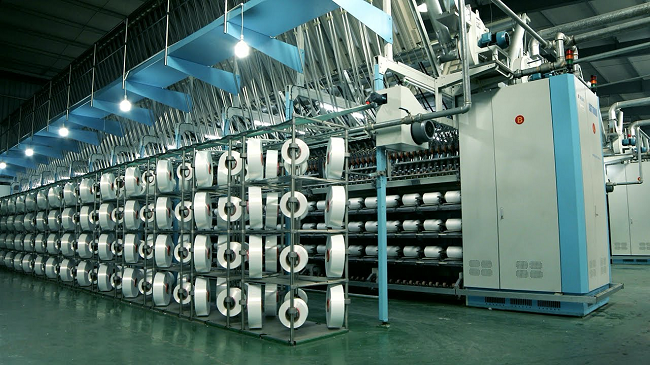

One of the most successful circular economy case studies in India comes from the recycling and textile sector.
The Challenge
India generates millions of tonnes of plastic waste annually, much of it in the form of PET bottles.
The Solution
Recycling facilities collect, clean, and process PET bottles into:
-
rPET flakes
-
Recycled yarn
-
Sustainable polyester fabrics
These fabrics are then used in:
-
Apparel
-
Sportswear
-
Industrial textiles
-
Packaging materials
The Impact
-
Reduced landfill waste
-
Lower carbon footprint
-
Decreased dependence on virgin petroleum
-
Job creation in recycling and textile sectors
This model directly supports circular economy India efforts by turning plastic waste into valuable textile products.
2. Industrial Waste Reuse in Manufacturing
Another powerful example among circular economy case studies is industrial scrap reuse.
The Challenge
Manufacturing processes generate leftover materials and by-products, which are often discarded.
The Solution
Companies now reprocess scrap materials back into production lines or sell them as secondary raw materials.
Examples include:
-
Textile scraps converted into insulation
-
Plastic waste reused in packaging
-
Metal scrap reintroduced into casting processes
The Impact
-
Reduced raw material costs
-
Lower waste disposal expenses
-
Improved resource efficiency
-
Enhanced supply chain sustainability
This approach demonstrates how waste can become a revenue-generating resource.
3. Extended Producer Responsibility (EPR) Compliance Models
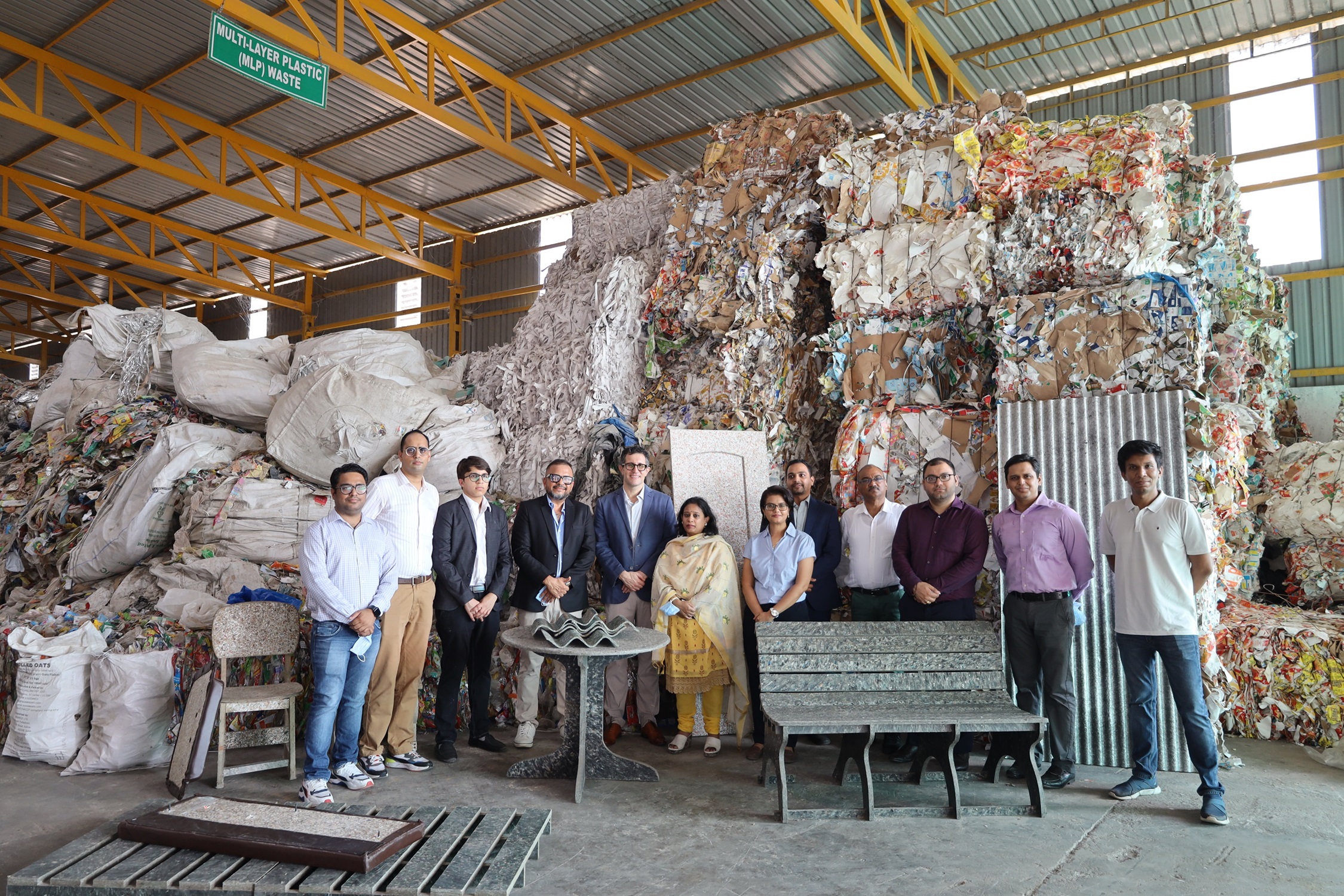

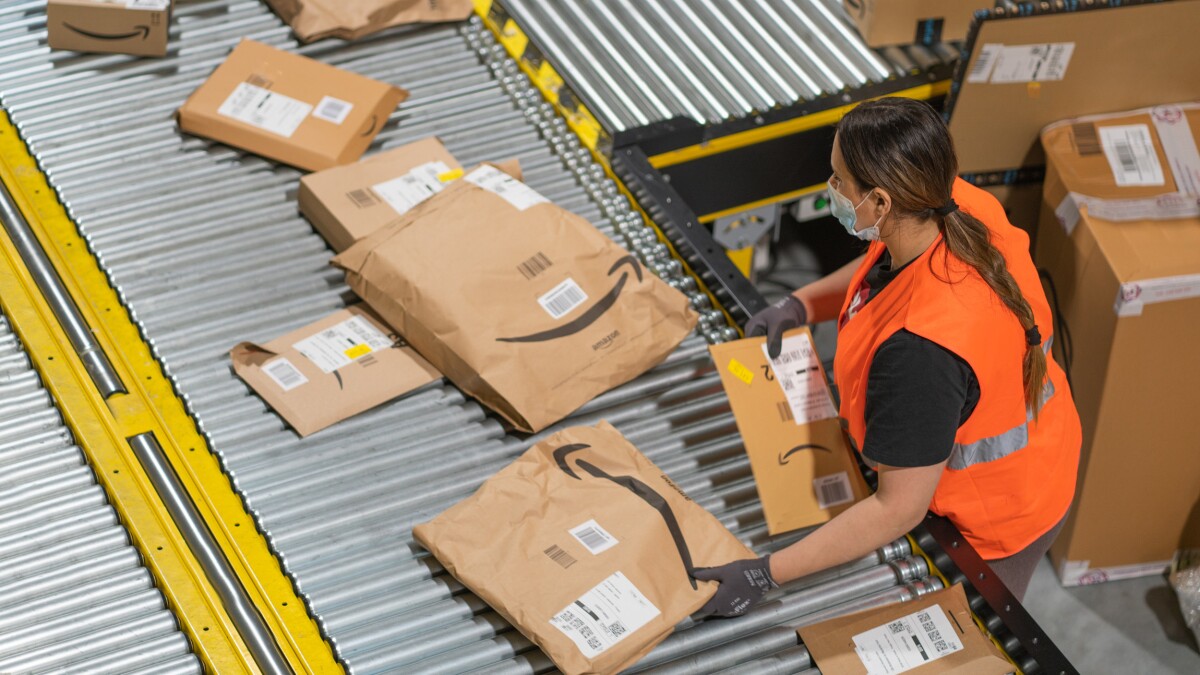
Under EPR regulations, producers are responsible for collecting and recycling their products.
The Challenge
Managing post-consumer plastic waste at scale.
The Solution
Companies partner with authorized recyclers to:
-
Collect plastic packaging
-
Meet recycling targets
-
Ensure compliance with regulations
-
Track waste through digital systems
The Impact
-
Increased recycling rates
-
Reduced environmental pollution
-
Stronger accountability
-
Improved brand image
These circular economy case studies highlight how regulatory frameworks can drive sustainable innovation.
4. Zero-Waste Manufacturing Facilities
Several Indian manufacturers are adopting zero-waste strategies.
The Challenge
High waste output and resource consumption.
The Solution
Companies implement:
-
Waste segregation systems
-
Water recycling plants
-
Energy-efficient machinery
-
Renewable energy sources
The Impact
-
Reduced landfill dependency
-
Lower energy costs
-
Decreased water usage
-
Improved ESG performance
Zero-waste factories represent advanced examples among circular economy case studies, combining technology and sustainability.
5. Packaging Reuse and Refill Systems
Consumer brands are also experimenting with refill-based systems.
The Challenge
Single-use plastic packaging waste.
The Solution
Businesses introduce:
-
Refillable containers
-
Return-and-reuse programs
-
Bulk dispensing models
The Impact
-
Lower packaging waste
-
Reduced plastic production
-
Increased consumer engagement
Such systems align perfectly with circular economy India objectives by minimizing resource consumption.
Key Lessons From These Circular Economy Case Studies
Across all examples, certain patterns emerge:
Innovation Drives Sustainability
Technology enables scalable solutions.
Collaboration Is Essential
Producers, recyclers, suppliers, and consumers must work together.
Economic Value Is Possible
Circular models reduce costs and create new revenue streams.
Regulation Encourages Action
Policies like EPR accelerate adoption.
These insights show that circularity is not just environmentally necessary — it is economically viable.
Why Circular Economy Case Studies Matter for Indian Businesses
Studying successful initiatives helps organizations:
-
Identify practical solutions
-
Understand measurable benefits
-
Reduce implementation risks
-
Align with sustainability goals
-
Improve competitiveness
By learning from real-world circular economy case studies, businesses can design their own circular strategies more effectively.
The Future of Circular Economy in India
India’s circular transition is just beginning.
In the coming years, we can expect:
-
Expansion of recycling infrastructure
-
Greater adoption of recycled materials
-
Stronger ESG compliance
-
Digital waste tracking systems
-
Fully circular production models
As sustainability becomes central to business strategy, more circular economy case studies will emerge across industries.
The companies that act now will lead tomorrow’s sustainable economy.
Conclusion
India’s shift toward circular systems is already underway. From plastic-to-textile recycling and industrial scrap reuse to EPR-driven compliance and zero-waste factories, these circular economy case studies prove that sustainable transformation is achievable.
By turning waste into value and redesigning production systems, businesses can reduce environmental impact while strengthening profitability.
The circular economy is not a future concept — it is a present opportunity. Organizations that adopt circular models today will build resilient, sustainable, and competitive operations for years to come.