
India is growing fast. Cities are expanding, industries are scaling, and consumption is increasing every year. While this growth fuels economic progress, it also creates enormous pressure on natural resources and generates massive waste. Traditional business models that follow the “take–make–dispose” approach are no longer sustainable.
This is where the circular economy India concept becomes critical.
Instead of throwing products away after use, the circular economy focuses on reducing waste, reusing materials, and recycling resources back into production. For Indian businesses, this shift is not just environmentally responsible — it is economically smart.
In this guide, we explain what the circular economy India model means, how it works, and why it matters for businesses across industries by RudraEcovation
What Is a Circular Economy?
A circular economy is a system designed to eliminate waste and continuously reuse resources.
Unlike the linear economy, which looks like this:
Take → Make → Dispose
A circular economy works like this:
Reduce → Reuse → Recycle → Regenerate
The goal is simple: keep materials in use for as long as possible and extract maximum value from them.
In the context of circular economy India, this means transforming waste into resources — whether it’s plastic bottles turned into fabric or textile scraps reused in new products.
Linear vs Circular Economy: Understanding the Difference

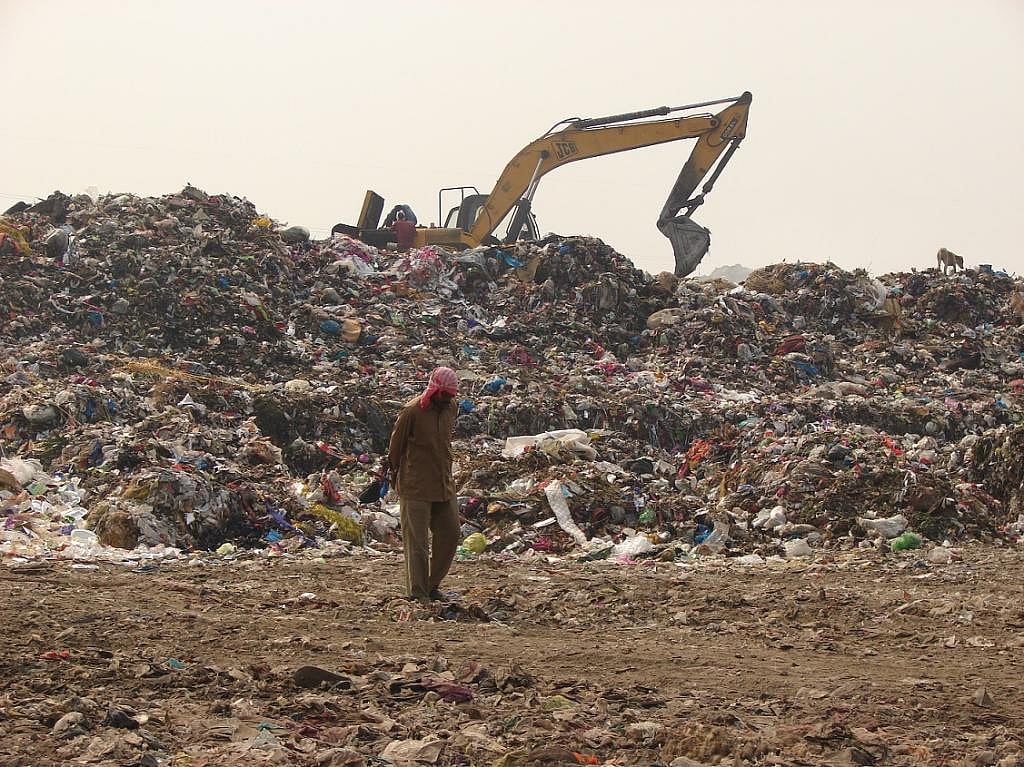

Linear Economy Problems
-
High raw material consumption
-
Increased landfill waste
-
Pollution and emissions
-
Rising costs of resources
Circular Economy Solutions
-
Resource efficiency
-
Waste reduction
-
Lower environmental impact
-
Long-term cost savings
Adopting the circular economy India approach helps businesses move away from waste-heavy systems toward sustainable growth.
Why India Needs a Circular Economy
India faces unique environmental and economic challenges:
-
Growing population
-
Rapid urbanization
-
Limited landfill space
-
Increasing plastic waste
-
Rising raw material costs
At the same time, India has strong manufacturing and recycling capabilities. This creates a huge opportunity to scale circular economy India solutions.
Without circular practices, waste will continue to grow faster than infrastructure can manage. With circularity, waste becomes an asset.
Key Principles of Circular Economy in India
1. Reduce Resource Consumption
Businesses use fewer raw materials and improve efficiency.
2. Reuse Materials
Products and components are repaired, refurbished, or reused.
3. Recycle Waste
Waste is converted into new raw materials, such as rPET or recycled yarn.
4. Design for Sustainability
Products are designed to last longer and be easier to recycle.
These principles form the backbone of circular economy India strategies across industries.
How Circular Economy Applies to Different Industries
Plastic & Recycling Industry
Plastic bottles are recycled into flakes, yarns, and fabrics. This supports plastic waste recycling in India and reduces landfill waste.
Textile Industry
Recycled polyester, rPET yarn, and sustainable fabrics help reduce virgin material usage and lower emissions.
Manufacturing
Scrap materials are reused in production, minimizing waste and costs.
Packaging
Reusable and recyclable packaging reduces environmental impact.
Each sector benefits from implementing circular economy India practices.
Business Benefits of Circular Economy
Many companies think sustainability increases costs. In reality, the circular economy often improves profitability.
Lower Costs
Recycled materials are often cheaper than virgin resources.
Resource Security
Less dependence on imported raw materials.
Regulatory Compliance
Helps meet government recycling and EPR norms.
Stronger Brand Image
Consumers prefer environmentally responsible brands.
Competitive Advantage
Early adopters gain market leadership.
Thus, circular economy India is not just about the environment — it’s a business growth strategy.
Role of Technology in Circular Economy

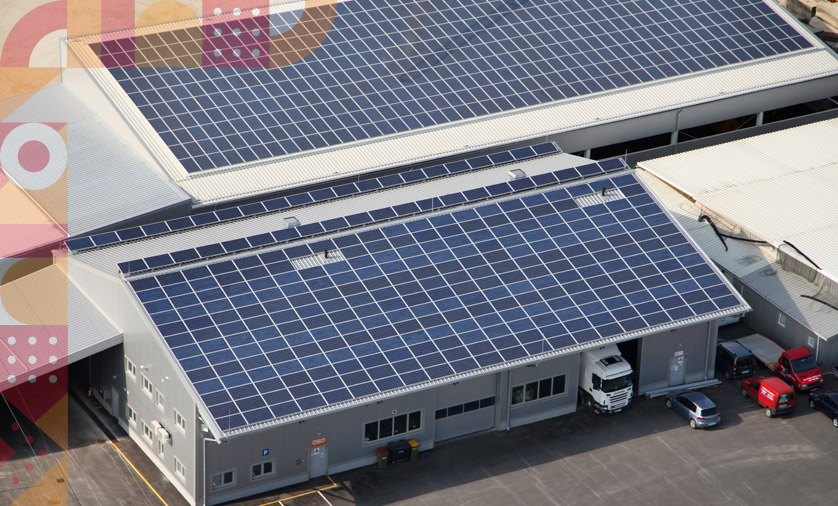
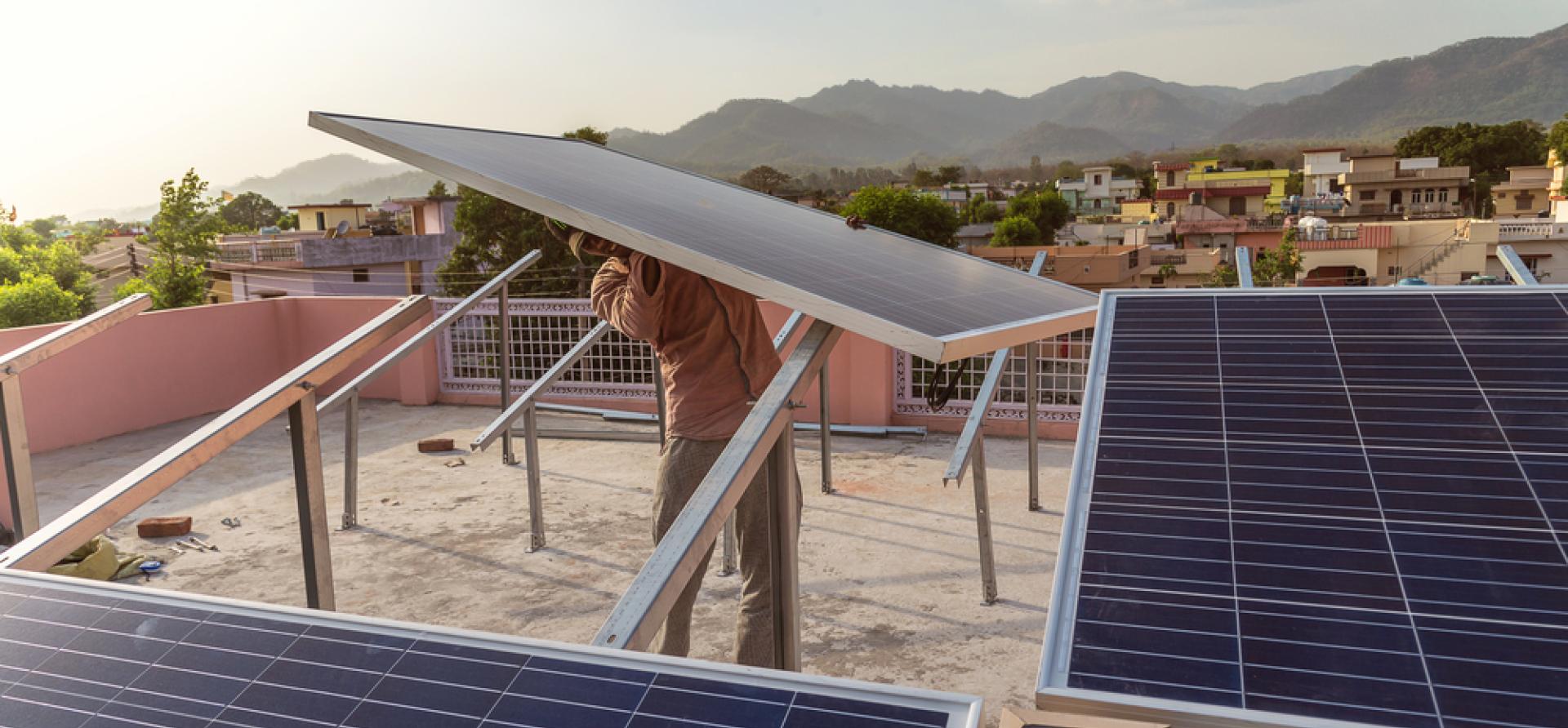
Technology plays a major role in enabling circular systems:
-
Advanced recycling technology
-
AI-based sorting systems
-
Water-efficient processing
-
Energy-efficient machinery
-
Digital supply chain tracking
These innovations make circular economy India scalable and commercially viable.
Government Support and Regulations
India is actively encouraging sustainable practices through:
-
Plastic Waste Management Rules
-
Extended Producer Responsibility (EPR)
-
Single-use plastic bans
-
Sustainability incentives
These policies push businesses to adopt circular methods and invest in recycling infrastructure.
Companies that align early with circular economy India regulations gain long-term advantages.
Challenges in Implementation
Despite benefits, some barriers exist:
-
High initial investment
-
Lack of awareness
-
Limited recycling infrastructure in some regions
-
Supply chain complexity
However, these challenges are temporary. As technology improves and awareness increases, adoption becomes easier and more cost-effective.
The Future of Circular Economy in India
The future looks promising.
India is expected to see:
-
Growth in recycling plants
-
Expansion of sustainable textiles
-
Increased use of recycled materials
-
Stronger ESG commitments
-
Greater collaboration between industries
As businesses embrace circularity, circular economy India will become the foundation of sustainable industrial development.
Conclusion
The traditional linear model of production is no longer viable for a country as dynamic and resource-intensive as India. Waste, pollution, and rising costs demand a smarter approach.
The circular economy India framework offers exactly that — turning waste into value, reducing environmental impact, and improving profitability.
For Indian businesses, adopting circular practices is not just good ethics; it is smart economics. Companies that act today will lead tomorrow’s sustainable economy.
The future of growth in India is circular, not linear.