
India’s fashion and textile industry is one of the largest in the world. From cotton exports to synthetic garments, the sector fuels millions of jobs and drives economic growth. However, traditional textile production also consumes huge amounts of water, energy, and raw materials. As sustainability becomes a priority, the industry is undergoing a major transformation.
Today, eco-friendly fabrics India are gaining strong momentum, and one material is leading this change — rPET fabric.
Made from recycled plastic bottles, rPET fabrics convert waste into wearable textiles. This innovative approach supports sustainability, reduces pollution, and promotes circular production. As a result, eco-friendly fabrics India are helping brands and manufacturers move toward greener fashion.
In this article, we explore how rPET fabrics are powering India’s sustainable fashion revolution and why they are becoming the future of textiles by RudraEcovation
What Are rPET Fabrics?
rPET stands for recycled polyethylene terephthalate. It is a recycled polyester fabric created from used PET bottles and plastic waste.
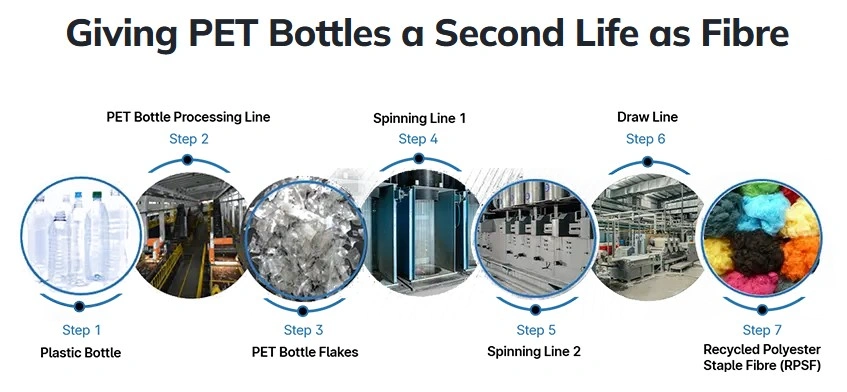
The process typically includes:
-
Collection of plastic bottles
-
Cleaning and sorting
-
Shredding into flakes
-
Melting into pellets
-
Spinning into yarn
-
Weaving or knitting into fabric
Instead of producing polyester from petroleum, rPET gives plastic waste a second life.
This makes rPET one of the most popular eco-friendly fabrics India manufacturers are adopting today.
Why India Needs Eco-Friendly Fabrics
India faces two major challenges at the same time:
1. Rising Plastic Waste
Millions of tonnes of plastic waste are generated every year, creating pollution and landfill pressure.
2. Resource-Intensive Textile Production
Traditional textiles require:
-
Large water consumption
-
High energy usage
-
Chemical processing
-
Virgin raw materials
By adopting eco-friendly fabrics India, the industry can solve both problems together — recycling plastic while producing sustainable textiles.
How rPET Fabrics Support Green Fashion
Plastic Waste Becomes Raw Material

One of the biggest advantages of rPET is waste reduction.
Used bottles that would otherwise end up in landfills or oceans are transformed into:
-
Polyester fibers
-
Yarn
-
Fabrics
-
Apparel
This process directly supports plastic waste recycling India efforts and reduces environmental pollution.
Lower Carbon Footprint
Producing virgin polyester requires fossil fuels and significant energy. In contrast, rPET production uses less energy and releases fewer emissions.
This means:
-
Reduced greenhouse gases
-
Lower energy consumption
-
Smaller environmental impact
These benefits make eco-friendly fabrics India essential for brands aiming to meet climate and ESG goals.
Water and Resource Savings
Traditional textile manufacturing uses large quantities of water. rPET fabrics require fewer resources because the base material already exists.
Benefits include:
-
Less water usage
-
Reduced petroleum dependency
-
Lower chemical consumption
This improves sustainability across the supply chain.
Same Performance as Conventional Fabrics
Sustainability does not mean compromising quality.
rPET fabrics offer:
-
High durability
-
Moisture-wicking properties
-
Lightweight comfort
-
Wrinkle resistance
-
Long lifespan
Because of these features, eco-friendly fabrics India are widely used in:
-
Sportswear
-
Activewear
-
Casual fashion
-
Bags and accessories
-
Home textiles
Consumers get the same performance with lower environmental impact.
Rising Demand for Sustainable Fashion in India
Consumer preferences are changing rapidly.
Today’s buyers look for:
-
Sustainable materials
-
Ethical sourcing
-
Transparent supply chains
-
Environmentally responsible brands
As awareness grows, fashion brands are shifting toward eco-friendly fabrics India to meet expectations.
Many companies now promote garments made from recycled bottles, highlighting their sustainability story.
This demand is accelerating the growth of green fashion across India.
Role of Businesses and Manufacturers
Indian manufacturers are uniquely positioned to lead the eco-fashion movement.
By integrating rPET fabrics, companies can:
-
Reduce raw material costs
-
Comply with environmental regulations
-
Improve brand image
-
Access global sustainable markets
-
Strengthen circular economy practices
For businesses, eco-friendly fabrics India are not just environmentally responsible — they offer strong competitive advantages.
Challenges in Adoption
Despite benefits, some barriers exist:
-
Initial investment in recycling infrastructure
-
Limited awareness among small manufacturers
-
Need for quality control
-
Supply chain coordination
However, as technology improves and demand increases, these challenges are steadily decreasing.
Government policies and sustainability targets are also encouraging faster adoption.
The Future of Eco-Friendly Fabrics in India
The future of eco-friendly fabrics India looks promising.
Key trends include:
-
Increased use of recycled polyester
-
Growth of circular textile systems
-
Stronger recycling networks
-
Waterless dyeing technologies
-
Greater collaboration between recyclers and textile brands
In the coming years, sustainable fabrics will likely become the industry standard rather than the exception.
Conclusion
The textile industry is at a turning point. While traditional methods have contributed to growth, they have also created environmental strain. rPET fabrics offer a practical and scalable solution.
By converting plastic waste into high-performance textiles, eco-friendly fabrics India are reducing pollution, saving resources, and powering green fashion.
For manufacturers, brands, and consumers alike, choosing recycled fabrics is a simple yet powerful step toward sustainability. The future of fashion in India is not just stylish — it is sustainable.