
How PET Bottle Recycling Works: A Step-by-Step Guide to the PET Bottle Recycling Process in India
India generates millions of tonnes of plastic waste every year, and PET bottles form a significant portion of it. From packaged drinking water to soft drinks and edible oil containers, PET plastic is everywhere. Without proper recycling, this waste ends up in landfills, rivers, or oceans.
This is where the PET bottle recycling process in India becomes critical. By converting used bottles into recycled polyester (rPET) flakes, fibers, yarns, and fabrics, recycling not only reduces pollution but also supports a circular economy and sustainable manufacturing.
In this guide, we break down the PET bottle recycling process in India step by step so you can understand how waste plastic transforms into valuable resources by Rudraecovation .
What is PET and Why Is It Recyclable?
PET (Polyethylene Terephthalate is a lightweight, durable, and highly recyclable plastic. It is widely used because it is:
-
Strong and shatterproof
-
Lightweight and cost-effective
-
100% recyclable
-
Suitable for food-grade packaging
Unlike many plastics, PET can be recycled multiple times without losing performance. That makes the plastic waste recycling India ecosystem heavily dependent on PET recovery and reuse.
Step 1: Collection of Used PET Bottles
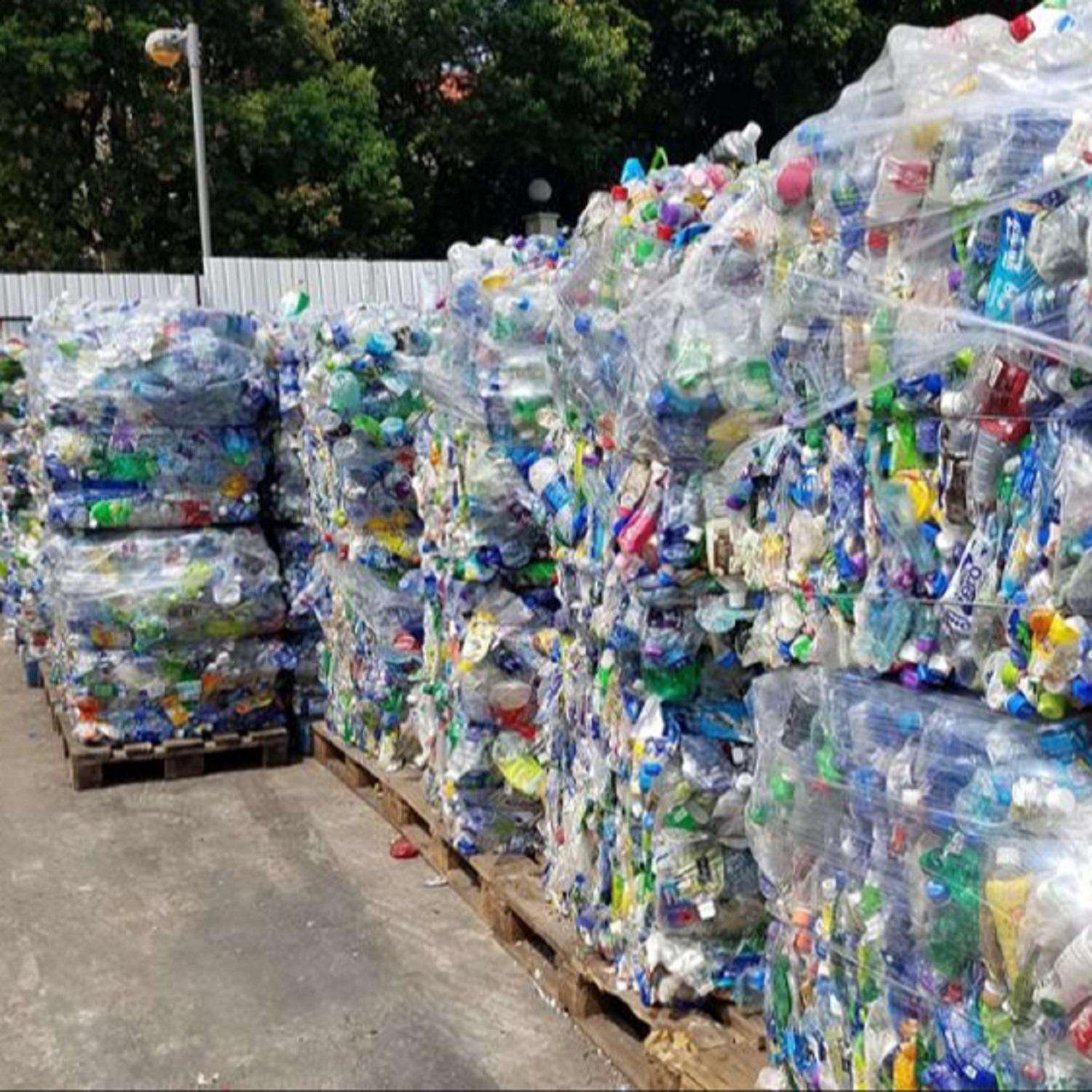
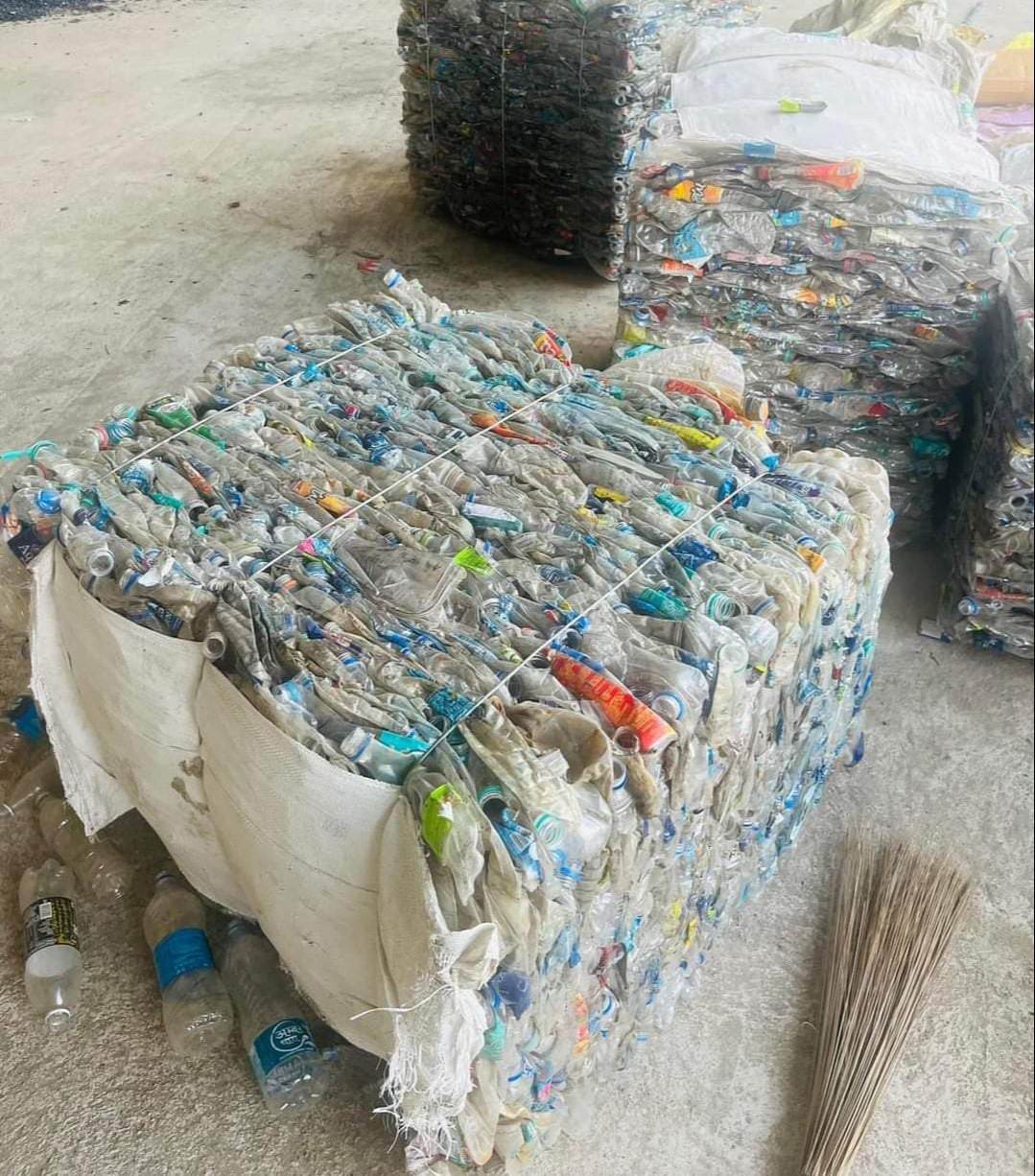
The PET bottle recycling process in India begins with systematic collection.
Bottles are gathered from:
-
Households
-
Offices and malls
-
Waste pickers and kabadiwalas
-
Municipal waste streams
-
Bulk commercial generators
India has a strong informal recycling network where waste collectors play a key role in recovering PET bottles. These bottles are then sold to aggregators and recycling plants.
At this stage, bottles are:
-
Sorted by plastic type
-
Separated from caps and labels
-
Compressed into bales for easy transport
Efficient collection ensures higher recycling rates and reduces plastic leakage into the environment.
Step 2: Sorting and Segregation
Once the bottles reach the recycling facility, they undergo further sorting.
Machines and manual inspection help separate:
-
PET bottles from other plastics (HDPE, PVC, etc.)
-
Colored and clear bottles
-
Contaminants like metal, paper, and glass
Proper segregation is crucial because contamination can reduce the quality of recycled output. Clean input equals high-quality rPET products.
This stage directly impacts the efficiency of the PET bottle recycling process in India.
Step 3: Washing and Cleaning


Next comes intensive cleaning.
Bottles are:
-
Pre-washed to remove dirt
-
Labels and caps removed
-
Hot washed with detergents
-
Rinsed and dried
This removes:
-
Food residue
-
Oils
-
Glue
-
Dust and chemicals
Clean bottles ensure safe and high-quality rPET manufacturing, especially for textile and packaging uses.
Step 4: Shredding into Flakes
After washing, bottles are fed into shredders.
They are cut into small pieces called:
PET flakes
These flakes are:
-
Lightweight
-
Easy to handle
-
Ready for further processing
At this stage, the plastic has transformed from waste bottles into a usable raw material.
High-quality flakes are the backbone of the plastic recycling process.
Step 5: Melting and Pelletizing
The flakes are then:
-
Melted at high temperatures
-
Filtered to remove impurities
-
Extruded into strands
-
Cut into pellets or chips
These pellets serve as the base for multiple recycled products.
This step is central to the PET bottle recycling process in India, converting solid waste into industrial raw material.
Step 6: Converting into rPET Products
Now the recycled pellets are ready for manufacturing.
They can be transformed into:
-
rPET fibers
-
Recycled yarn
-
Polyester fabrics
-
Straps and sheets
-
Packaging materials
-
New bottles (food-grade recycling)
In India’s growing sustainable textile industry, recycled polyester fabrics are widely used for:
-
Sportswear
-
Fashion apparel
-
Bags
-
Upholstery
-
Industrial textiles
Thus, the PET bottle recycling process in India supports both environmental protection and economic value creation.
Environmental Benefits of PET Recycling
The benefits go beyond waste management.
🌱 Reduces landfill waste
Millions of bottles are diverted from dumpsites.
🌱 Saves energy
Recycling PET uses up to 60% less energy than virgin plastic production.
🌱 Lowers carbon footprint
Cuts greenhouse gas emissions significantly.
🌱 Supports circular economy
Materials are reused instead of discarded.
🌱 Creates jobs
From waste collection to manufacturing, recycling generates employment.
Why PET Bottle Recycling Is Crucial for India
India faces increasing pressure from:
-
Urbanization
-
Rising plastic consumption
-
Environmental regulations
-
Climate change concerns
Strengthening the PET bottle recycling process in India helps:
-
Meet sustainability goals
-
Comply with EPR norms
-
Promote eco-friendly manufacturing
-
Build responsible brands
For companies focused on sustainability, recycled materials are no longer optional — they’re essential.
The Future of PET Recycling in India
The future looks promising with:
-
Advanced recycling technologies
-
Automated sorting systems
-
Chemical recycling innovations
-
Stronger government regulations
-
Growing consumer awareness
Businesses that adopt recycling and circular practices today will lead tomorrow’s sustainable economy.
Conclusion
The PET bottle recycling process in India proves that plastic waste does not have to be a problem — it can be a resource. From collection and cleaning to flakes, pellets, and fabrics, every stage adds value while protecting the environment.
By supporting recycling initiatives and using rPET products, industries and consumers can actively reduce plastic pollution and move toward a circular economy.
Sustainability begins with small steps — and recycling every bottle is one of them.