
Plastic waste has become one of the most pressing environmental challenges worldwide. While recycling plays an important role in managing waste, the most effective solution is preventing plastic waste before it is created. That is where plastic reduction strategies come into focus.
For organizations, reducing plastic at the source not only supports sustainability but also lowers operational costs and improves brand reputation. Instead of managing waste after production, companies can redesign systems, materials, and processes to minimize plastic usage from the beginning.
In this guide, we explore practical and actionable plastic reduction strategies that organizations can implement immediately to create long-term environmental and economic benefits by Rudra Ecovation
Why Reducing Plastic at Source Matters
Many companies focus primarily on recycling. However, recycling alone cannot handle the massive scale of plastic consumption.
Reducing plastic at source helps:
-
Lower raw material consumption
-
Reduce landfill pressure
-
Cut carbon emissions
-
Improve supply chain efficiency
-
Strengthen ESG compliance
By adopting proactive plastic reduction strategies, organizations move from reactive waste management to preventive sustainability.
Actionable Plastic Reduction Strategies for Organizations
1. Conduct a Plastic Audit
The first step in implementing effective plastic reduction strategies is understanding where plastic is used.
Organizations should:
-
Identify plastic in packaging
-
Track plastic used in manufacturing
-
Review single-use items in offices
-
Assess supplier packaging materials
A plastic audit reveals high-impact areas where reduction is possible.
Without data, meaningful reduction is difficult. Therefore, auditing becomes the foundation for every sustainability initiative.
2. Redesign Packaging to Use Less Plastic
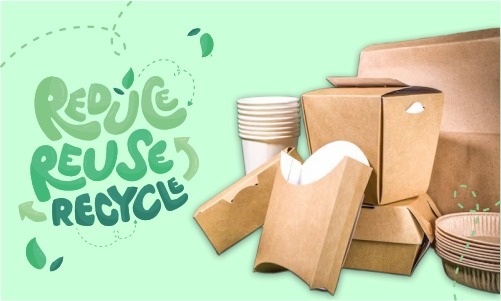


Packaging often accounts for the largest share of plastic waste.
Companies can reduce plastic by:
-
Eliminating unnecessary layers
-
Switching to recyclable materials
-
Using biodegradable alternatives
-
Adopting bulk packaging models
-
Designing refill systems
Lightweight packaging reduces both material usage and transportation emissions.
Smart packaging design is one of the most effective plastic reduction strategies for product-based businesses.
3. Replace Single-Use Plastics in Offices and Facilities
Organizations can significantly reduce waste by eliminating single-use plastics such as:
-
Disposable cups and cutlery
-
Plastic bottles
-
Plastic straws
-
Single-use bags
Instead, they can introduce:
-
Reusable water bottles
-
Steel or ceramic cups
-
Cloth or paper-based alternatives
Even small workplace changes contribute meaningfully when scaled across large organizations.
4. Shift to Recycled and Sustainable Materials
Switching from virgin plastic to recycled materials lowers environmental impact.
For example:
-
Use rPET instead of virgin polyester
-
Source recycled packaging materials
-
Incorporate recycled content in products
While this does not eliminate plastic completely, it reduces reliance on fossil fuels and supports plastic waste recycling India initiatives.
Integrating recycled inputs is a practical component of long-term plastic reduction strategies.
5. Collaborate With Sustainable Suppliers
Suppliers play a crucial role in reducing plastic waste.
Organizations should:
-
Choose vendors with minimal plastic packaging
-
Request eco-friendly alternatives
-
Encourage supply chain transparency
-
Include sustainability clauses in contracts
Collaboration ensures plastic reduction happens across the entire value chain, not just internally.
6. Implement Take-Back and Reuse Programs
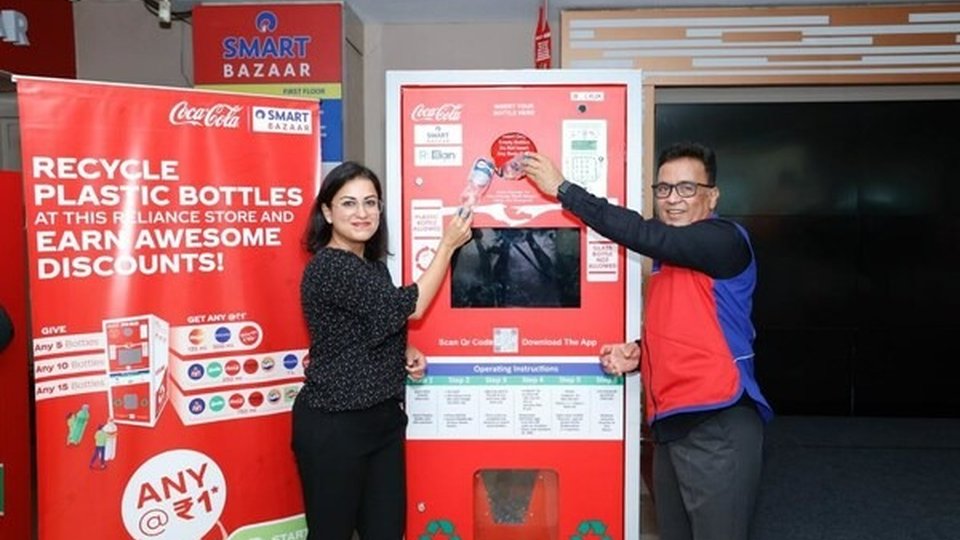

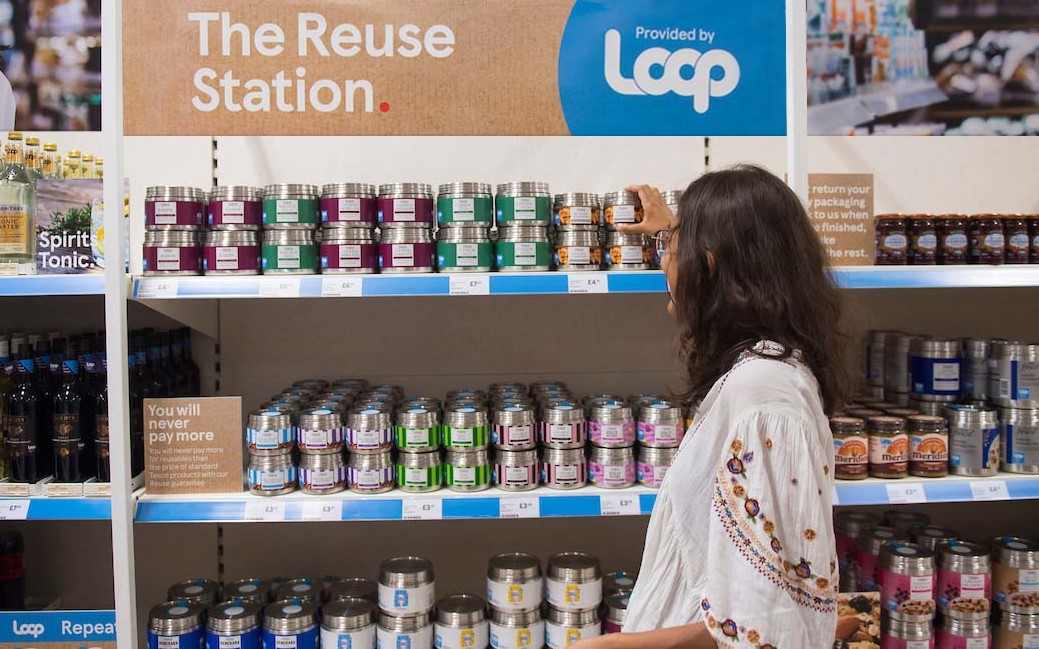
Take-back programs allow customers to return used packaging or products for reuse or recycling.
Benefits include:
-
Reduced landfill waste
-
Increased recycling rates
-
Stronger customer engagement
Such initiatives align with Extended Producer Responsibility (EPR) guidelines and strengthen corporate sustainability efforts.
Take-back systems are growing components of effective plastic reduction strategies.
7. Train Employees and Build Awareness
Even the best policies fail without employee participation.
Organizations should:
-
Conduct sustainability workshops
-
Provide clear waste segregation guidelines
-
Encourage plastic-free initiatives
-
Reward sustainable behavior
When employees understand the impact of plastic waste, they actively support reduction efforts.
Internal awareness programs strengthen the success of all plastic reduction strategies.
8. Monitor, Measure, and Improve
Plastic reduction is not a one-time project — it is an ongoing process.
Companies should:
-
Set measurable reduction targets
-
Track plastic usage annually
-
Report sustainability progress
-
Adjust strategies based on results
Continuous improvement ensures long-term success and accountability.
Environmental Benefits of Reducing Plastic at Source
Effective plastic reduction strategies lead to:
-
Lower carbon emissions
-
Reduced pollution
-
Conserved natural resources
-
Cleaner cities and oceans
-
Reduced waste management costs
Prevention always has a greater impact than post-production management.
Business Advantages of Plastic Reduction
Beyond environmental gains, organizations benefit from:
Cost Savings
Less material usage lowers procurement expenses.
Brand Differentiation
Consumers prefer companies committed to sustainability.
Regulatory Compliance
Helps meet EPR and waste management rules.
Investor Confidence
Strong ESG performance attracts investors.
Thus, adopting plastic reduction strategies strengthens both sustainability and profitability.
The Future of Plastic Reduction in India
As environmental awareness increases, regulations are becoming stricter.
India’s sustainability goals will likely include:
-
Higher recycling targets
-
Stricter packaging rules
-
Increased producer accountability
-
Greater emphasis on circular economy practices
Organizations that implement plastic reduction strategies today will stay ahead of future regulations.
Reducing waste at the source is no longer optional — it is a strategic necessity.
Conclusion
Plastic pollution is a growing challenge, but organizations have the power to drive change. By focusing on prevention instead of disposal, businesses can significantly reduce their environmental impact.
From conducting audits and redesigning packaging to collaborating with suppliers and educating employees, practical plastic reduction strategies deliver measurable results.
The journey toward sustainability begins at the source. When organizations reduce plastic before it becomes waste, they create cleaner operations, stronger brands, and a healthier planet.
The most effective waste management strategy is simple — produce less waste in the first place.