
As sustainability becomes a priority across industries, materials are being re-evaluated for their environmental impact. One such material gaining massive attention is rPET fabric. From fashion and sportswear to upholstery and industrial use, recycled polyester is reshaping how products are made.
Understanding recycled polyester fabric benefits is essential for brands, manufacturers, and consumers looking to reduce environmental damage while maintaining performance and durability.
In this article, we explain what rPET fabric is, how it is made, and why recycled polyester fabric is better than conventional alternatives by RudraEcovation
What Is rPET Fabric?
rPET stands for recycled polyethylene terephthalate. It is produced by recycling used PET plastic bottles and converting them into polyester fibers and fabrics.
Instead of using virgin petroleum-based polyester, rPET fabric gives plastic waste a second life. This process helps reduce landfill waste and lowers dependence on fossil fuels.
In simple terms, rPET fabric is polyester — but made sustainably.
How Is Recycled Polyester Fabric Made?
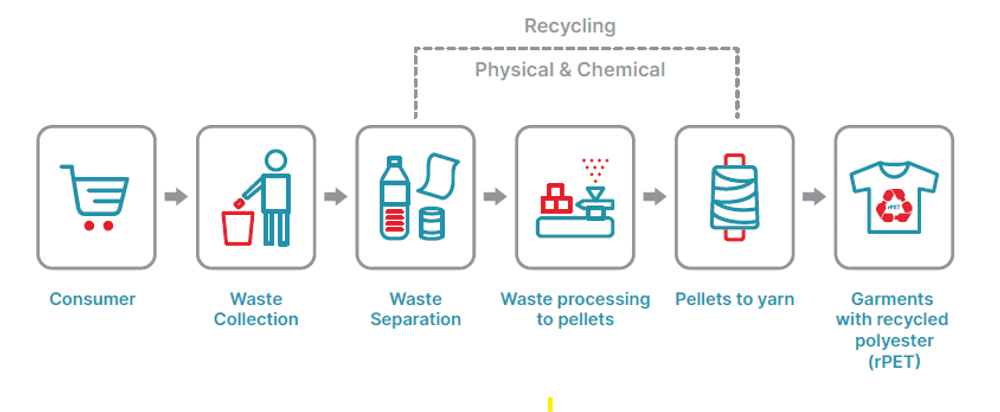

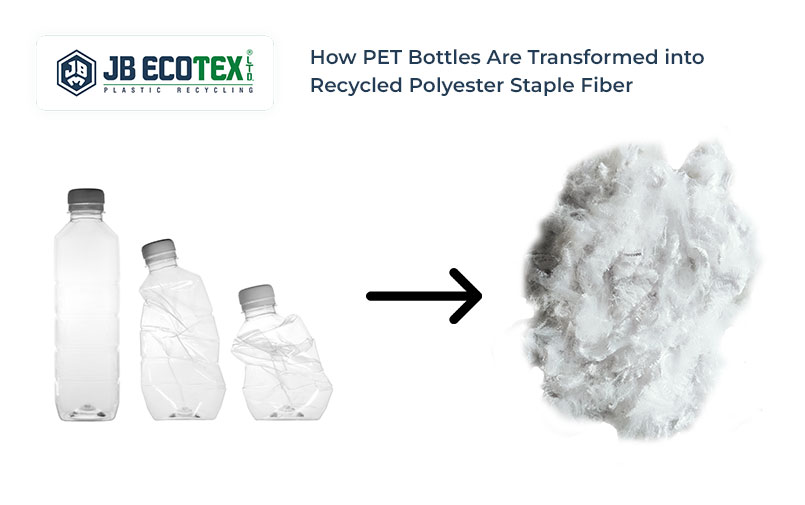
The manufacturing process highlights the real recycled polyester fabric benefits:
-
Collection of PET bottles
Used plastic bottles are collected from households, businesses, and recycling centers. -
Sorting and cleaning
Bottles are separated, washed, and cleaned to remove impurities. -
Shredding into flakes
Clean bottles are cut into small PET flakes. -
Melting and extrusion
Flakes are melted and converted into polyester chips. -
Fiber and yarn production
Chips are spun into fibers and yarns. -
Fabric manufacturing
Yarn is woven or knitted into rPET fabric.
This closed-loop process makes recycled polyester a key pillar of circular economy practices.
Key Recycled Polyester Fabric Benefits
1. Reduces Plastic Waste
One of the biggest recycled polyester fabric benefits is waste reduction. Millions of plastic bottles are diverted from landfills and oceans when they are reused to make fabric.
Every rPET garment or fabric roll represents plastic waste that did not pollute the environment.
2. Lower Carbon Footprint
Producing recycled polyester consumes significantly less energy than virgin polyester. This leads to lower greenhouse gas emissions.
By choosing rPET fabric, manufacturers can reduce their overall carbon footprint and meet sustainability targets more easily.
3. Conserves Natural Resources
Virgin polyester relies heavily on petroleum. Recycled polyester reduces the need for crude oil extraction, conserving natural resources and reducing environmental degradation.
This makes recycled polyester fabric a smarter material choice for long-term sustainability.
4. Same Performance as Virgin Polyester
A common myth is that sustainable fabrics compromise on quality. In reality, rPET fabric offers:
-
High durability
-
Excellent strength
-
Moisture resistance
-
Wrinkle resistance
-
Long lifespan
These performance qualities make recycled polyester fabric benefits attractive for apparel, sportswear, and industrial applications.
5. Supports Circular Economy
rPET fabric perfectly fits the circular economy model where materials are reused instead of discarded.
Plastic bottles → Fabric → Product → Recycled again
This cycle minimizes waste and maximizes material value.
Applications of rPET Fabric
Thanks to its versatility, recycled polyester fabric is used across industries:
-
Fashion and apparel
-
Sportswear and activewear
-
Bags and accessories
-
Upholstery and home textiles
-
Automotive textiles
-
Industrial fabrics
The wide range of uses further strengthens the recycled polyester fabric benefits for manufacturers and brands.
rPET Fabric vs Virgin Polyester
| Aspect | rPET Fabric | Virgin Polyester |
|---|---|---|
| Raw Material | Recycled PET bottles | Petroleum |
| Environmental Impact | Low | High |
| Energy Consumption | Reduced | High |
| Carbon Emissions | Lower | Higher |
| Sustainability | High | Low |
This comparison clearly shows why recycled polyester is a better alternative.
Why Recycled Polyester Fabric Is Important for India
India generates massive plastic waste every year while also being a global textile hub. rPET fabric bridges these two realities.
By promoting recycled polyester, India can:
-
Reduce plastic pollution
-
Strengthen recycling infrastructure
-
Create green jobs
-
Support sustainable textile manufacturing
-
Meet ESG and sustainability goals
The growing demand for sustainable fabrics in India makes rPET a future-ready solution.
Role of Brands and Consumers
Sustainable change requires collective action.
Brands can:
-
Switch to recycled polyester fabrics
-
Highlight sustainability impact
-
Reduce virgin plastic usage
Consumers can:
-
Choose products made from recycled materials
-
Support eco-conscious brands
-
Increase awareness of sustainable fabrics
Together, these actions amplify the recycled polyester fabric benefits across the value chain.
The Future of rPET Fabric
With rising environmental awareness, stricter regulations, and demand for sustainable fashion, the future of recycled polyester fabric looks strong.
Innovations in recycling technology and fiber quality will further expand rPET applications across industries.
Recycled polyester is no longer a trend — it is becoming the standard.
Conclusion
The recycled polyester fabric benefits go far beyond sustainability buzzwords. rPET fabric reduces plastic waste, lowers carbon emissions, conserves resources, and delivers the same performance as traditional polyester.
As industries and consumers move toward responsible choices, recycled polyester stands out as a practical and impactful solution.
Choosing rPET fabric today means investing in a cleaner, greener, and more sustainable future.