
sustainable manufacturing trends
Manufacturing is the backbone of economic growth, but it is also one of the largest contributors to energy use, waste generation, and carbon emissions. As climate concerns intensify and regulations become stricter, industries are rapidly shifting toward cleaner and smarter production systems.
This shift is driving new sustainable manufacturing trends that combine efficiency, innovation, and environmental responsibility. In 2026, sustainability will no longer be optional — it will be a competitive necessity.
From advanced recycling technologies to renewable energy adoption, these trends are reshaping how factories operate across India and globally. Businesses that adapt early will gain cost advantages, regulatory compliance, and stronger brand trust.
Let’s explore the most important sustainable manufacturing trends set to define the future of production by Rudra Ecovation
Why Sustainable Manufacturing Matters More Than Ever
Traditional manufacturing relies heavily on:
-
Fossil fuels
-
Virgin raw materials
-
High water usage
-
Waste-heavy processes
This model increases costs and environmental damage.
In contrast, sustainable manufacturing focuses on:
-
Resource efficiency
-
Recycling and reuse
-
Reduced emissions
-
Responsible sourcing
-
Circular economy practices
As governments, investors, and consumers demand greener operations, sustainable manufacturing trends are becoming the foundation of long-term business success.
Top Sustainable Manufacturing Trends to Watch in 2026
1. Advanced Recycling and Resource Recovery

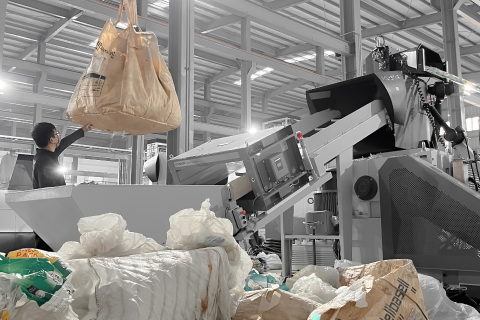
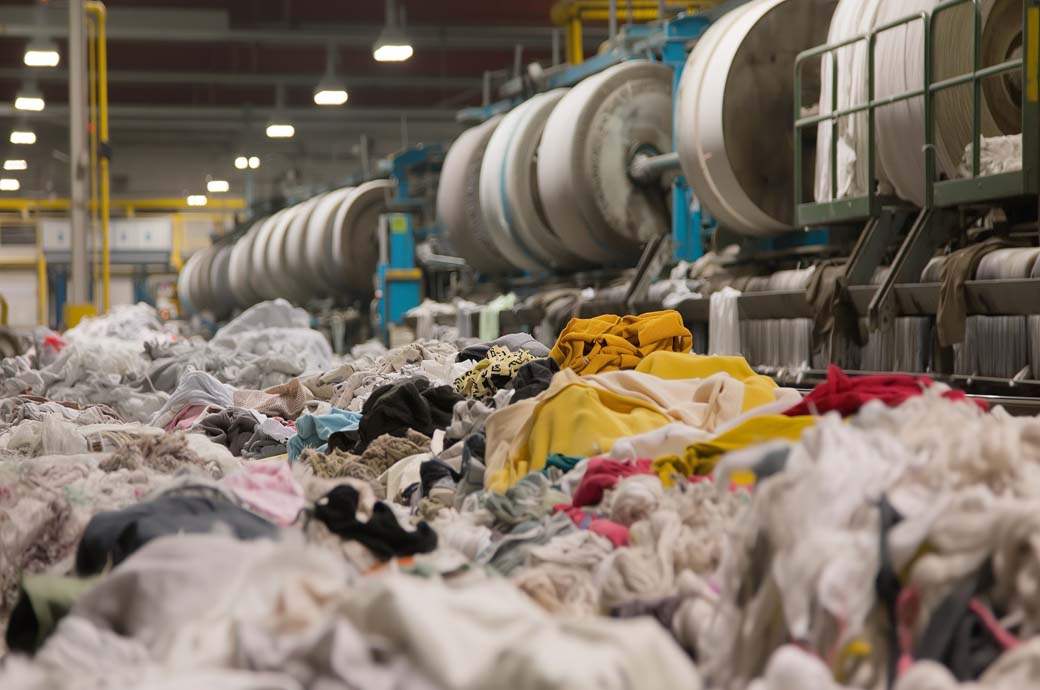
Recycling is evolving beyond basic waste sorting. Modern facilities now use:
-
AI-powered sorting
-
Optical sensors
-
Automated processing
-
Chemical recycling
These innovations improve efficiency and produce higher-quality recycled materials.
Industries are converting waste into raw materials such as rPET, recycled yarn, and sustainable fabrics. This directly supports circular economy practices.
Advanced recycling is one of the fastest-growing sustainable manufacturing trends in India’s plastic and textile sectors.
2. Circular Economy Production Models
Linear production models are slowly being replaced by circular systems.
Instead of:
Take → Make → Dispose
Manufacturers now follow:
Reduce → Reuse → Recycle → Regenerate
This approach:
-
Minimizes waste
-
Lowers raw material costs
-
Extends product life cycles
Circular production ensures that scrap and post-consumer waste become valuable inputs.
As awareness grows, circularity will remain one of the most impactful sustainable manufacturing trends across industries.
3. Renewable Energy Adoption in Factories


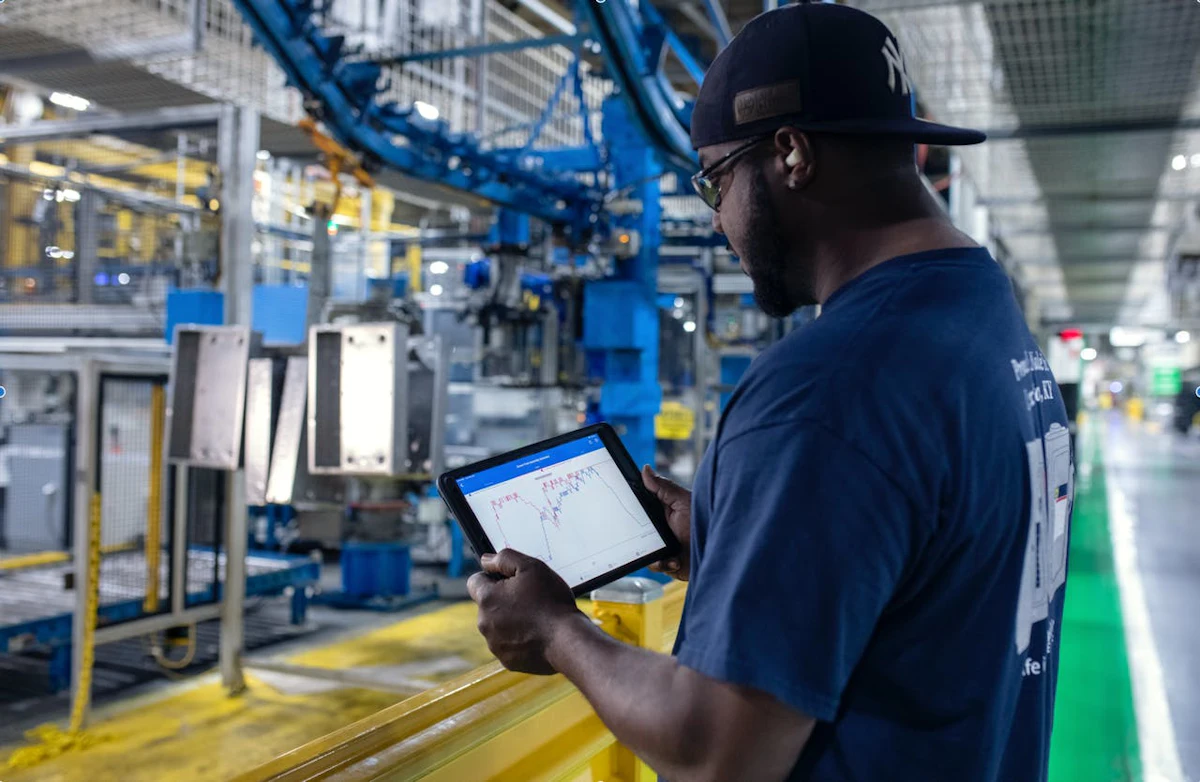
Energy consumption is a major contributor to manufacturing emissions.
To reduce carbon footprints, factories are shifting to:
-
Solar power
-
Wind energy
-
Biomass energy
-
Energy-efficient machinery
Renewable energy lowers operating costs while cutting emissions significantly.
As energy prices rise, clean energy adoption will dominate sustainable manufacturing trends in 2026.
4. Water-Efficient and Zero-Waste Processes
Water scarcity is a serious challenge, especially in textile and chemical industries.
Companies are implementing:
-
Water recycling systems
-
Zero Liquid Discharge (ZLD) plants
-
Low-water dyeing technologies
-
Closed-loop cooling systems
These innovations reduce freshwater use and prevent pollution.
Water management is becoming a top priority among sustainable manufacturing trends, particularly in India’s textile hubs.
5. Sustainable Materials and Green Inputs
Manufacturers are replacing conventional materials with eco-friendly alternatives such as:
-
Recycled polyester (rPET)
-
Recycled plastics
-
Bio-based materials
-
Organic fibers
Using recycled materials lowers environmental impact and supports waste reduction.
This shift toward sustainable inputs is one of the most visible sustainable manufacturing trends in fashion, packaging, and consumer goods.
6. Smart Manufacturing and Digital Optimization
Technology is making sustainability more measurable.
Factories now use:
-
IoT sensors
-
AI analytics
-
Real-time monitoring
-
Predictive maintenance
These tools:
-
Reduce energy waste
-
Improve efficiency
-
Minimize downtime
-
Optimize resource usage
Digital transformation enables manufacturers to track sustainability metrics accurately.
Smart operations will continue shaping sustainable manufacturing trends worldwide.
7. ESG and Regulatory Compliance
Environmental, Social, and Governance (ESG) standards are influencing business decisions.
Companies must now:
-
Track emissions
-
Report sustainability data
-
Comply with waste regulations
-
Follow EPR guidelines
Compliance is no longer optional.
As regulations tighten, aligning with sustainable manufacturing trends becomes essential to avoid penalties and maintain market access.
Why These Trends Matter for Indian Manufacturers
India has a unique opportunity.
With strong manufacturing capabilities and growing sustainability awareness, businesses can:
-
Reduce costs through efficiency
-
Improve export potential
-
Attract eco-conscious customers
-
Strengthen brand value
-
Meet government targets
Adopting sustainable manufacturing trends helps Indian industries stay competitive globally.
Challenges to Consider
While the benefits are clear, some challenges remain:
-
High initial investment
-
Technology adoption barriers
-
Skill gaps
-
Infrastructure limitations
However, long-term savings and regulatory benefits outweigh these short-term hurdles.
As solutions become more affordable, adoption will accelerate.
The Future of Sustainable Manufacturing
Looking ahead, sustainability will move from being a trend to a standard practice.
We can expect:
-
More recycled materials
-
Fully circular factories
-
Zero-waste operations
-
Carbon-neutral production
-
Greater collaboration between industries
Companies that invest now will lead the next decade of green growth.
Following sustainable manufacturing trends is not just future planning — it is present-day strategy.
Conclusion
The manufacturing landscape is changing rapidly. Sustainability, once considered optional, is now a critical business requirement. From advanced recycling and renewable energy to circular models and smart technology, these innovations are redefining production systems.
The sustainable manufacturing trends shaping 2026 offer clear benefits: lower costs, reduced environmental impact, and stronger competitiveness.
For businesses in India and beyond, the message is simple — adapt to sustainable practices today to thrive tomorrow.
Green manufacturing is not just the future. It is the new normal.