
India is one of the world’s largest textile producers, supplying fabrics and garments to global markets. However, traditional textile manufacturing has long been associated with high water consumption, chemical usage, and environmental pollution. As sustainability becomes a global priority, the industry is undergoing a critical transformation.
Today, sustainable textile manufacturing in India is gaining momentum. From recycled fabrics and water-efficient processes to ethical sourcing and circular economy models, Indian manufacturers are redefining how textiles are produced.
This article provides a complete overview of sustainable textile manufacturing in India, covering its importance, processes, materials, benefits, challenges, and future potential by RudraEcovation
What Is Sustainable Textile Manufacturing?
Sustainable textile manufacturing refers to producing textiles in a way that minimizes environmental impact, conserves resources, and supports social responsibility.
Key principles include:
-
Reduced water and energy consumption
-
Lower carbon emissions
-
Use of recycled or renewable raw materials
-
Safe and responsible chemical management
-
Ethical labor practices
-
Waste reduction and recycling
In the Indian context, sustainable manufacturing also focuses on balancing large-scale production with environmental protection.
Why Sustainability Matters in India’s Textile Industry
The textile sector is one of India’s largest contributors to employment and exports. At the same time, it is resource-intensive.
Key concerns include:
-
High water usage in dyeing and processing
-
Chemical discharge into rivers
-
Large volumes of textile waste
-
Dependence on virgin raw materials
Adopting sustainable textile manufacturing in India helps address these challenges while ensuring long-term industry growth.
Key Sustainable Practices in Textile Manufacturing
Use of Recycled and Sustainable Materials
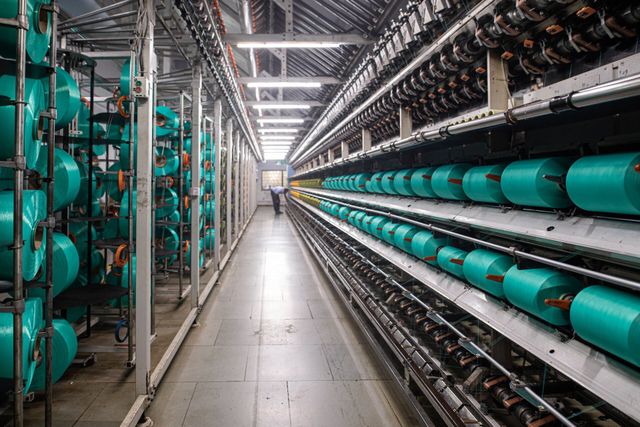


One of the most impactful changes is the use of recycled materials such as:
-
rPET (recycled polyester)
-
Recycled cotton
-
Blended sustainable fibers
Recycled polyester fabrics made from PET bottles reduce plastic waste and lower dependence on petroleum-based raw materials.
Water-Efficient Manufacturing Processes
Water scarcity is a major issue in India. Sustainable textile units focus on:
-
Low-liquor dyeing techniques
-
Water recycling and reuse systems
-
Zero Liquid Discharge (ZLD) plants
-
Digital and dope dyeing
These practices significantly reduce water consumption and pollution.
Energy Efficiency and Renewable Power
Manufacturers are increasingly shifting toward:
-
Energy-efficient machinery
-
Process optimization
-
Solar and renewable energy sources
Lower energy use directly reduces carbon emissions, making sustainable textile manufacturing in India more climate-friendly.
Responsible Chemical Management
Traditional dyeing and finishing involve harmful chemicals. Sustainable units adopt:
-
Eco-certified dyes
-
Non-toxic processing chemicals
-
Compliance with global standards
This protects ecosystems, workers, and end consumers.
Role of Circular Economy in Textiles
A circular economy focuses on keeping materials in use for as long as possible.
In textiles, this means:
-
Recycling fibers into new fabrics
-
Designing products for durability
-
Reducing production waste
-
Reusing scraps and rejects
Circular models are a core part of sustainable textile manufacturing in India, turning waste into value.
Benefits of Sustainable Textile Manufacturing
Environmental Benefits
-
Reduced water and energy consumption
-
Lower carbon footprint
-
Less pollution and waste
Economic Benefits
-
Lower long-term production costs
-
Reduced raw material dependency
-
Access to global eco-conscious markets
Social Benefits
-
Safer working conditions
-
Ethical labor practices
-
Community development
These advantages make sustainability a strategic investment rather than a cost.
Government and Policy Support in India
India is actively promoting sustainability through:
-
Textile sustainability initiatives
-
Plastic waste and recycling regulations
-
Incentives for green manufacturing
-
Support for circular economy practices
Such policies encourage companies to adopt sustainable textile manufacturing in India at scale.
Challenges in Adopting Sustainable Practices
Despite progress, challenges remain:
-
High initial investment costs
-
Limited awareness among smaller units
-
Technology adoption barriers
-
Supply chain transparency issues
However, as technology improves and demand rises, these challenges are gradually reducing.
Growing Demand for Sustainable Textiles
Global brands and consumers are increasingly demanding eco-friendly products.
This has led to:
-
Higher demand for recycled fabrics
-
Sustainability audits and certifications
-
ESG-driven sourcing decisions
Indian manufacturers adopting sustainability gain a competitive advantage in export and domestic markets.
The Future of Sustainable Textile Manufacturing in India
The future looks promising with:
-
Increased use of recycled polyester and blended fibers
-
Advanced recycling technologies
-
Digital and waterless dyeing
-
Stronger circular economy integration
-
Greater collaboration between recyclers and textile manufacturers
As sustainability becomes mainstream, sustainable textile manufacturing in India will move from niche adoption to industry standard.
Conclusion
The textile industry stands at a turning point. While traditional methods have contributed to economic growth, they have also placed heavy pressure on the environment.
Sustainable textile manufacturing in India offers a balanced path forward — combining innovation, responsibility, and efficiency. By adopting recycled materials, efficient processes, and circular models, India can lead the global transition toward greener textiles.
Sustainability is no longer a choice for the textile industry — it is the future.