For decades, waste has been treated as something to throw away. Landfills grew, pollution increased, and valuable materials were lost forever. Today, that mindset is changing. Across industries, businesses are realizing that waste is not a burden — it is an opportunity.
The concept of “best out of waste†focuses on converting discarded materials into useful products. Instead of disposal, companies recover, recycle, and reuse resources to create value. These best out of waste strategies are becoming central to sustainability, cost reduction, and circular economy growth.
In India, where resource demand is rising and landfill space is shrinking, adopting best out of waste strategies is both environmentally responsible and economically smart.
Let’s explore how turning trash into value is transforming industries and why it matters for businesses and communities by RudraEcovation
What Does “Best Out of Waste†Mean?
“Best out of waste†refers to extracting maximum value from discarded materials through:
-
Recycling
-
Reuse
-
Repurposing
-
Resource recovery
-
Circular production
Instead of following a linear system — produce, use, discard — this approach promotes continuous use of resources.
At its core, best out of waste strategies help reduce environmental impact while creating new economic opportunities.
Why Waste Management Needs a New Approach
Traditional waste disposal methods create several problems:
-
Overflowing landfills
-
Pollution of soil and water
-
Increased greenhouse gas emissions
-
Loss of valuable raw materials
India generates millions of tonnes of plastic, textile, and industrial waste every year. Simply dumping this waste is not sustainable.
By implementing best out of waste strategies, waste becomes a resource that supports manufacturing and sustainability goals.
Key Best Out of Waste Strategies Businesses Can Adopt
1. Recycling Plastic Into New Raw Materials


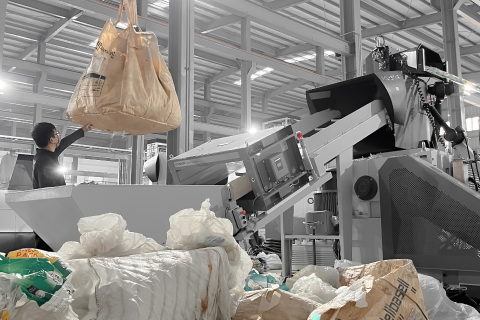
Plastic recycling is one of the most effective examples of waste-to-value.
Used bottles and packaging are converted into:
-
rPET flakes
-
Recycled yarn
-
Polyester fabrics
-
Packaging materials
This reduces landfill waste and supports plastic waste recycling India initiatives.
Such best out of waste strategies transform everyday waste into high-demand products used in textiles and manufacturing.
2. Reusing Industrial Scrap
Manufacturing processes often generate scrap materials. Instead of discarding them, companies can:
-
Reprocess leftover materials
-
Reintroduce scrap into production
-
Use offcuts for secondary products
For example, textile scraps can become insulation, stuffing, or recycled fiber.
This approach reduces raw material costs and maximizes resource efficiency.
3. Upcycling Waste Into Higher-Value Products
Upcycling takes waste and converts it into products of greater value.
Examples include:
-
Old fabrics into designer accessories
-
Packaging waste into furniture
-
Industrial waste into construction materials
Unlike basic recycling, upcycling enhances both function and value.
These innovative best out of waste strategies create new revenue streams while reducing environmental impact.
4. Adopting Circular Economy Practices
The circular economy is built around reuse and regeneration.
Instead of waste, materials continuously circulate.
Key practices include:
-
Designing recyclable products
-
Repairing and refurbishing goods
-
Recycling materials at end of life
This aligns perfectly with circular economy India goals.
Circular systems ensure that waste from one process becomes input for another.
5. Energy Recovery From Waste
Some waste materials cannot be recycled efficiently. In such cases, controlled energy recovery is useful.
Waste-to-energy plants:
-
Convert waste into fuel
-
Generate electricity
-
Reduce landfill volume
While recycling is preferred, energy recovery still supports best out of waste strategies by extracting value instead of dumping waste.
Environmental Benefits of Best Out of Waste Strategies
Reduced Landfill Pressure
Less waste means fewer dumpsites and cleaner cities.
Lower Carbon Emissions
Recycling uses less energy than producing virgin materials.
Resource Conservation
Fewer natural resources are extracted.
Cleaner Ecosystems
Reduced pollution protects soil, water, and wildlife.
Together, these benefits explain why best out of waste strategies are essential for sustainable development.
Economic Benefits for Businesses
Sustainability and profitability can go hand in hand.
Cost Savings
Recycled materials often cost less than virgin resources.
New Revenue Streams
Waste becomes sellable products.
Regulatory Compliance
Supports government waste management rules and EPR policies.
Better Brand Image
Consumers prefer eco-friendly companies.
Thus, adopting best out of waste strategies is a smart financial decision.
Role of Technology in Waste-to-Value
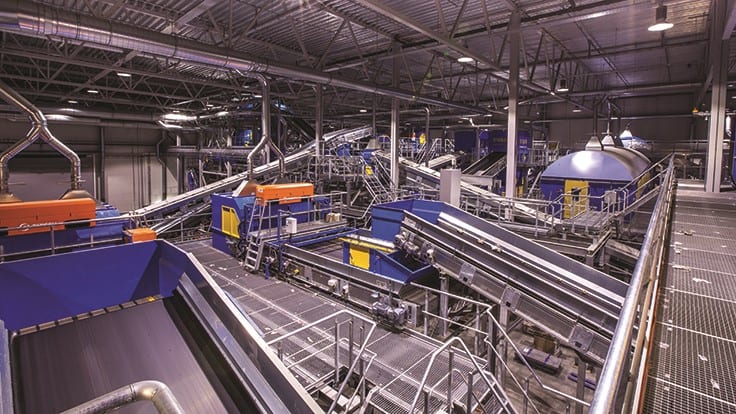


Modern technology makes waste recovery more efficient.
Innovations include:
-
AI-based sorting systems
-
Advanced recycling machines
-
Energy-efficient processing
-
Smart waste tracking
These tools enable companies to scale best out of waste strategies quickly and effectively.
Why Best Out of Waste Strategies Matter for India
India faces:
-
High population density
-
Limited landfill space
-
Increasing consumption
-
Growing sustainability regulations
Turning waste into value helps address all these challenges simultaneously.
By embracing best out of waste strategies, Indian businesses can:
-
Reduce environmental damage
-
Strengthen recycling ecosystems
-
Create green jobs
-
Support circular economy growth
This makes waste management an opportunity rather than a problem.
The Future of Waste-to-Value
The future of sustainability will rely heavily on resource recovery.
We can expect:
-
More recycling infrastructure
-
Wider use of recycled materials
-
Stronger corporate responsibility
-
Increased consumer awareness
-
Greater adoption of circular systems
Soon, throwing away usable materials will become outdated. Waste will be seen as a valuable asset.
Conclusion
Waste is no longer something to discard — it is a resource waiting to be utilized. The “best out of waste†approach changes how we think about materials, encouraging reuse, recycling, and regeneration.
By adopting best out of waste strategies, businesses can reduce pollution, conserve resources, lower costs, and unlock new opportunities.
For India’s sustainable future, turning trash into value is not just smart — it is essential.
Every piece of waste recycled today becomes a building block for tomorrow’s circular economy.